Commercial Asphalt Sealing vs. Resurfacing: What’s the Difference
Commercial asphalt sealing helps protect and extend the life of pavement, while local contractors can recommend the best approach based on your specific needs.
Understanding the differences between commercial asphalt sealing and resurfacing is essential for property owners looking to maintain or improve their paved surfaces. Whether managing a parking lot, driveway, or other asphalt area, making informed decisions can help extend the lifespan of the pavement and keep it looking professional. Local contractors who specialize in asphalt services can provide valuable guidance tailored to specific needs, ensuring the right approach is chosen based on the condition of the surface and long-term goals. Exploring this topic can help property owners identify practical solutions that protect their investments and maintain safety and curb appeal.
Asphalt sealing and resurfacing serve distinct purposes, and knowing which service fits a particular situation can save time and resources. Commercial asphalt sealing typically involves applying a protective coating to preserve the existing pavement, while resurfacing involves removing and replacing the top layer of asphalt for a fresh, smooth surface. Local service providers can assess the current state of an asphalt area and recommend the most effective option, whether it’s sealing to prevent future damage or resurfacing to address more significant wear. Continuing to explore these options can help property owners make confident choices that support the longevity and appearance of their asphalt surfaces.
- Parking lot sealing - property managers may seek commercial asphalt sealing to protect and extend the lifespan of their parking lots, with local contractors applying sealers to prevent damage from weather and traffic.
- Driveway sealing for commercial properties - business owners might need sealing services to maintain their driveways’ appearance and durability, with local service providers offering professional application to ensure long-term protection.
- Industrial lot sealing - facilities with large asphalt areas often require sealing to minimize surface deterioration, and local pros utilize specialized techniques to handle extensive commercial surfaces effectively.
- Loading dock area sealing - warehouses and distribution centers may need sealing around loading zones to prevent cracks and water intrusion, with local contractors providing tailored solutions for high-traffic zones.
- Resurfacing vs. sealing consultation - property owners considering whether to resurface or seal their asphalt can rely on local experts to assess surface condition and recommend the most appropriate approach based on the specific needs.
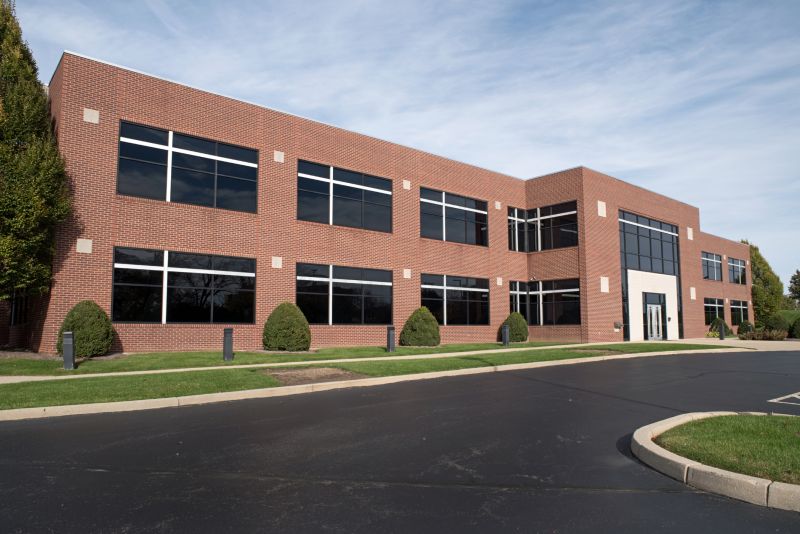
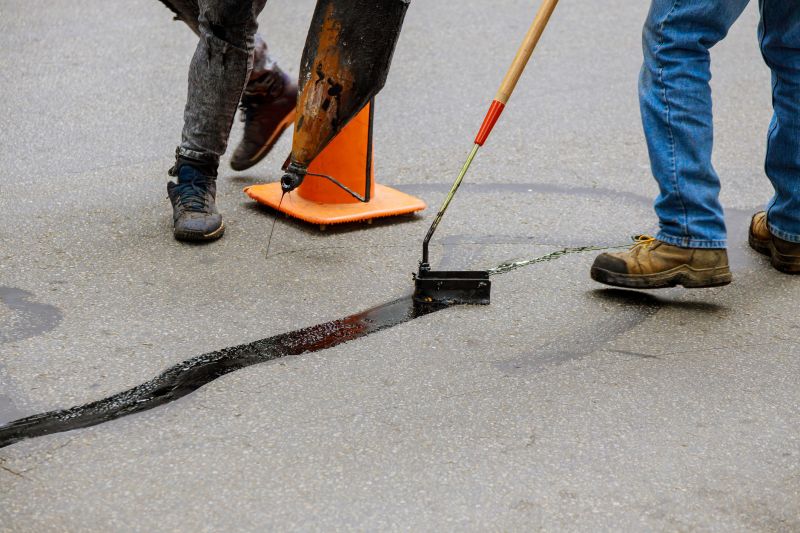
When people search for commercial asphalt sealing vs. resurfacing: what’s the difference, they are usually trying to understand the best way to maintain or improve the condition of their asphalt surfaces. This topic often comes up in the context of property management, business operations, or planning upgrades to parking lots, driveways, or access roads. Property owners and managers want to know whether sealing or resurfacing is the right choice to extend the lifespan of their asphalt or to improve its appearance and safety. Understanding these options helps prevent costly repairs down the line and ensures that the pavement remains functional and attractive for customers, employees, or residents.
This comparison relates to common problems like surface cracking, fading, potholes, or general wear and tear that occur over time on asphalt surfaces. Property owners might be considering sealing as a way to protect their existing pavement from weather damage and oxidation, or they might be exploring resurfacing if the asphalt has extensive damage or deterioration. Plans often involve routine maintenance or major upgrades, depending on the current condition of the asphalt. Commercial asphalt sealing is typically used as a preventative measure or for minor repairs, while resurfacing is a more involved process aimed at restoring a heavily worn or damaged surface.
The types of properties that frequently come up when discussing these services include parking lots for retail centers, office complexes, apartment communities, and industrial facilities. Driveways for commercial properties or multi-unit residential buildings also often require these treatments. In many cases, property managers or business owners want to maintain a professional appearance and ensure safety for visitors and employees. Local contractors who specialize in asphalt sealing and resurfacing can assess the specific condition of each property and recommend the most appropriate solution-whether sealing to preserve the existing surface or resurfacing to replace the top layer entirely.
Understanding the difference between commercial asphalt sealing and resurfacing is essential for property owners planning ongoing maintenance or major repairs. Sealing is generally a simpler, less invasive process that involves applying a protective coating to extend the life of the existing asphalt. Resurfacing, on the other hand, involves removing the old surface and laying down a new layer, which can address more severe damage and improve the pavement’s overall look and durability. Connecting with experienced local service providers ensures that the right treatment is chosen based on the specific needs of the property, helping to maintain functionality, safety, and appearance over time.
Pavement Repair - specialists in crack filling and surface preparation, which are essential steps before sealing or resurfacing asphalt surfaces.
Parking Lot Marking - involves planning and surface prep skills similar to those used in resurfacing projects to ensure clear, durable pavement markings.
Driveway Restoration - includes surface cleaning and minor repairs that align with the techniques used in asphalt sealing and resurfacing work.
Asphalt Maintenance Services - encompass a range of tasks such as patching and sealing that support the longevity of asphalt surfaces, comparable to sealing and resurfacing processes.
Pavement Striping - requires surface prep and precise application skills similar to those needed for resurfacing and sealing asphalt surfaces.
Surface Leveling and Grading - involves planning and surface assessment skills that are crucial for proper asphalt resurfacing and sealing projects.
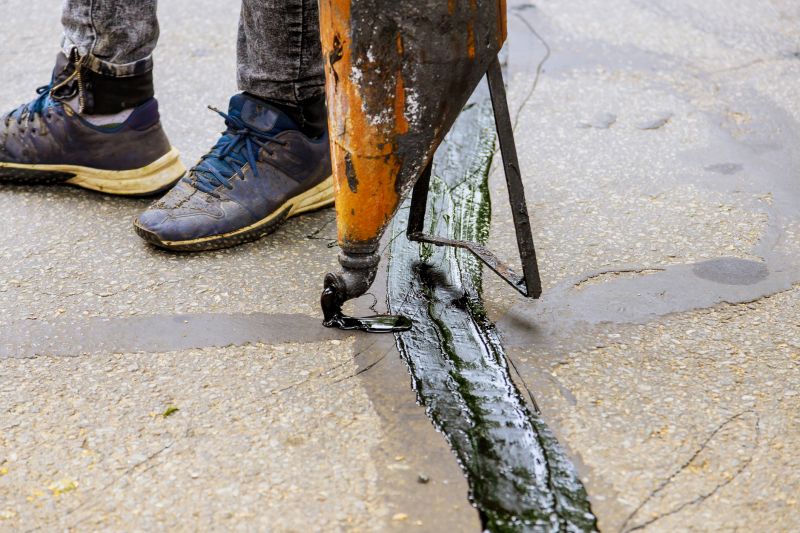
When evaluating service providers for commercial asphalt sealing, it is important to consider their experience with similar projects. Contractors who have a proven track record working on commercial properties can better understand the unique demands and conditions of large-scale asphalt surfaces. They are more likely to be familiar with the specific techniques and materials that ensure a durable, long-lasting seal that protects the asphalt from elements and wear. Asking for examples of past commercial projects or references can help determine if a local contractor has the relevant experience needed for the job at hand.
Clear written expectations are essential when comparing local contractors for commercial asphalt sealing services. A reputable service provider should be able to provide a detailed scope of work, outlining the specific steps involved, the materials used, and the expected outcomes. This transparency helps prevent misunderstandings and ensures that both parties are aligned on project goals. Homeowners should seek contractors who communicate openly and are willing to answer questions about the process, so that expectations are well-defined from the outset.
Reputable references and effective communication are key factors to consider when choosing a local contractor for asphalt sealing. Reliable service providers should be able to provide references from past clients with similar commercial projects, offering insight into their workmanship and professionalism. Good communication throughout the process allows homeowners to stay informed about project progress and address any concerns promptly. Prioritizing contractors known for responsiveness and clarity can lead to a smoother experience and a final result that meets the specific needs of the property.
Property owners often search for commercial asphalt sealing vs. resurfacing: what’s the difference when they are planning practical projects around their homes and businesses. Local pros provide Commercial Asphalt Sealing services for everyday jobs and straightforward project options.
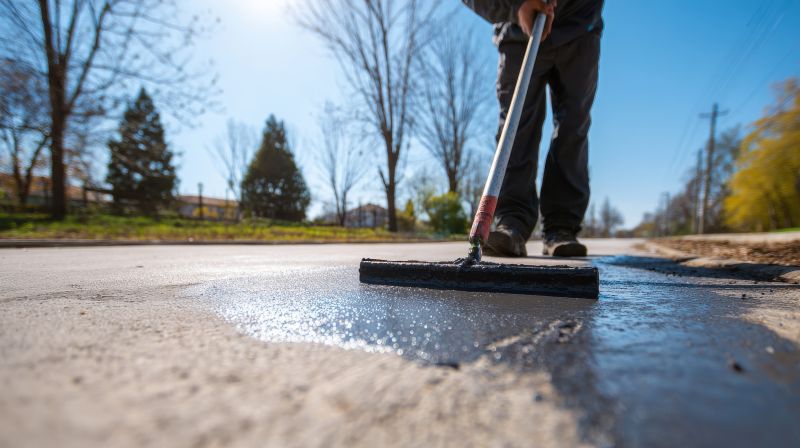
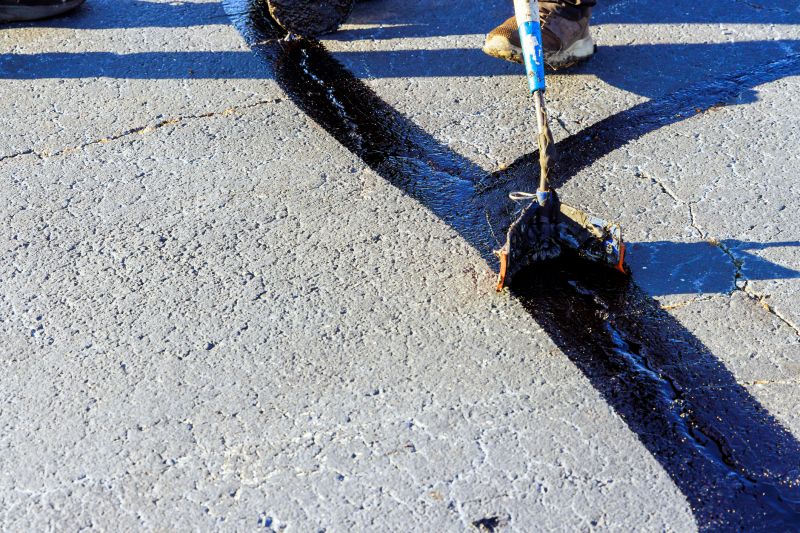
Understanding the difference between commercial asphalt sealing and resurfacing is a common concern for property owners managing parking lots, driveways, or other paved areas. When asphalt begins to show signs of wear, such as cracks or fading, many consider sealing as a way to protect the existing surface and extend its lifespan. Commercial asphalt sealing services involve applying a protective coating that helps prevent water penetration, UV damage, and surface deterioration, making it a practical choice for maintaining the appearance and integrity of an existing asphalt surface without major reconstruction.
In contrast, resurfacing is a more involved process that typically comes into play when the asphalt has significant damage or extensive deterioration. Resurfacing involves removing the top layer of asphalt and replacing it with a new layer, effectively restoring the surface to a like-new condition. Local contractors who specialize in asphalt work can assess the condition of the pavement and recommend whether sealing or resurfacing is appropriate. Property owners seeking to preserve their asphalt surfaces or improve their property's appearance often turn to these experienced service providers for guidance and professional solutions.
What is the main difference between commercial asphalt sealing and resurfacing? Commercial asphalt sealing involves applying a protective coating to the surface to prevent damage, while resurfacing involves removing the old asphalt and laying down a new layer for a completely refreshed look and structure. Local contractors can help determine which option best suits the condition of the asphalt.
When should a business consider sealing asphalt instead of resurfacing? Sealing is typically recommended for asphalt that is still in good condition but needs protection from weather and wear. Local service providers can assess the pavement to advise if sealing will extend its lifespan or if resurfacing is necessary.
Is asphalt sealing a permanent solution? No, asphalt sealing is a maintenance step that helps prolong the life of the pavement but does not fix underlying issues. Local asphalt contractors can identify when sealing is appropriate or if resurfacing is a better long-term solution.
Can sealing be done on asphalt that has cracks or minor damage? Sealing can be effective on surfaces with minor cracks, but larger or more extensive damage might require resurfacing. Local pros can evaluate the condition and recommend the most suitable approach.
How do I know if my asphalt needs resurfacing instead of sealing? If the asphalt has extensive cracking, potholes, or significant deterioration, resurfacing is usually necessary. Consulting with local contractors can provide a professional assessment of the pavement’s condition.
Understanding project needs - Property owners can evaluate whether sealing or resurfacing suits their asphalt based on the current condition and intended use of the area, with local contractors offering guidance.
Choosing the right service - Deciding between commercial asphalt sealing and resurfacing involves assessing whether the existing pavement can be preserved or needs replacement, with local service providers helping make that determination.
Planning maintenance schedules - Regular sealing can extend the life of asphalt surfaces, while resurfacing may be necessary after significant wear; consulting local pros can help plan effective maintenance strategies.
Assessing long-term costs - Property owners can compare the benefits of sealing versus resurfacing to determine which approach aligns with their budget and project goals, with local contractors providing expert insights.
If you are thinking about commercial asphalt sealing vs. resurfacing: what’s the difference for a property, this guide is meant to help you understand this topic, the typical project types, and how different options might fit your plans.
When you are ready, you can use the quote form on this page to share a few details about your project. From there, local pros can review the basics and follow up with options that match what you have in mind.