Masonry Sealing Services Overview for Property Owners
This page provides information about Masonry Sealing services and helps property owners connect with local contractors who perform this work.
- - Residential property owners seeking to protect patios, walkways, and driveways from weather-related damage.
- - Commercial property managers looking to maintain the durability and appearance of outdoor masonry surfaces.
- - Homeowners interested in enhancing curb appeal through professional masonry sealing services.
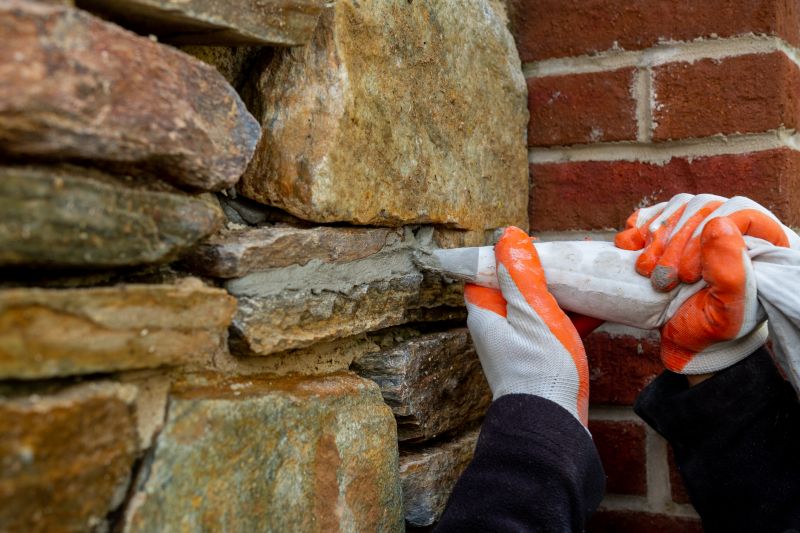
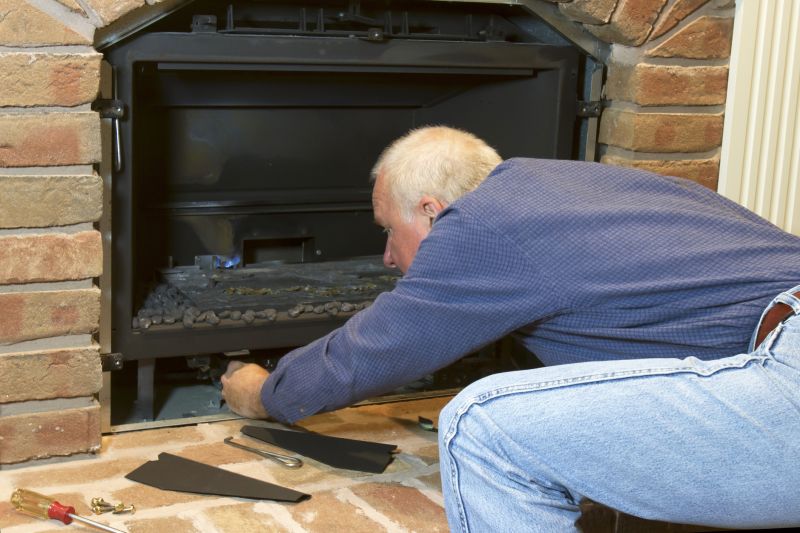
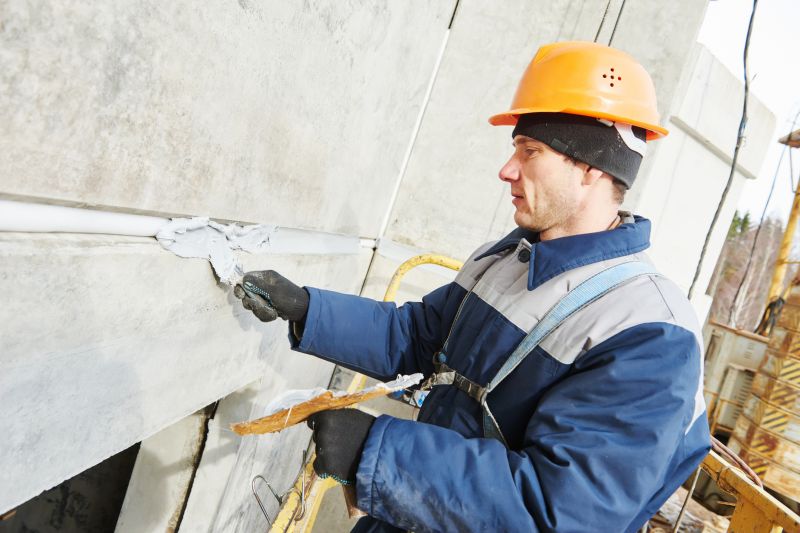
Masonry sealing services involve applying protective treatments to stone, brick, or concrete surfaces to help prevent damage from moisture, staining, and weathering. Property owners often seek out local contractors who specialize in this work to preserve the durability and appearance of patios, driveways, walkways, and other masonry elements. These professionals typically assess the condition of existing surfaces, recommend appropriate sealants, and perform the application with attention to detail to ensure long-lasting results.
Local service providers in masonry sealing are experienced in handling a variety of projects, from small residential repairs to larger commercial properties. They understand the importance of proper surface preparation and use industry-standard materials to help protect masonry surfaces over time. Property owners can expect these professionals to deliver practical solutions tailored to their specific needs, helping to maintain the integrity and visual appeal of their masonry investments.
This guide provides helpful insights to understand masonry sealing services and what to consider when planning a project. It assists in comparing local contractors and understanding the basics of the work involved. By highlighting key factors, it helps visitors prepare to connect with qualified service providers in their area.